


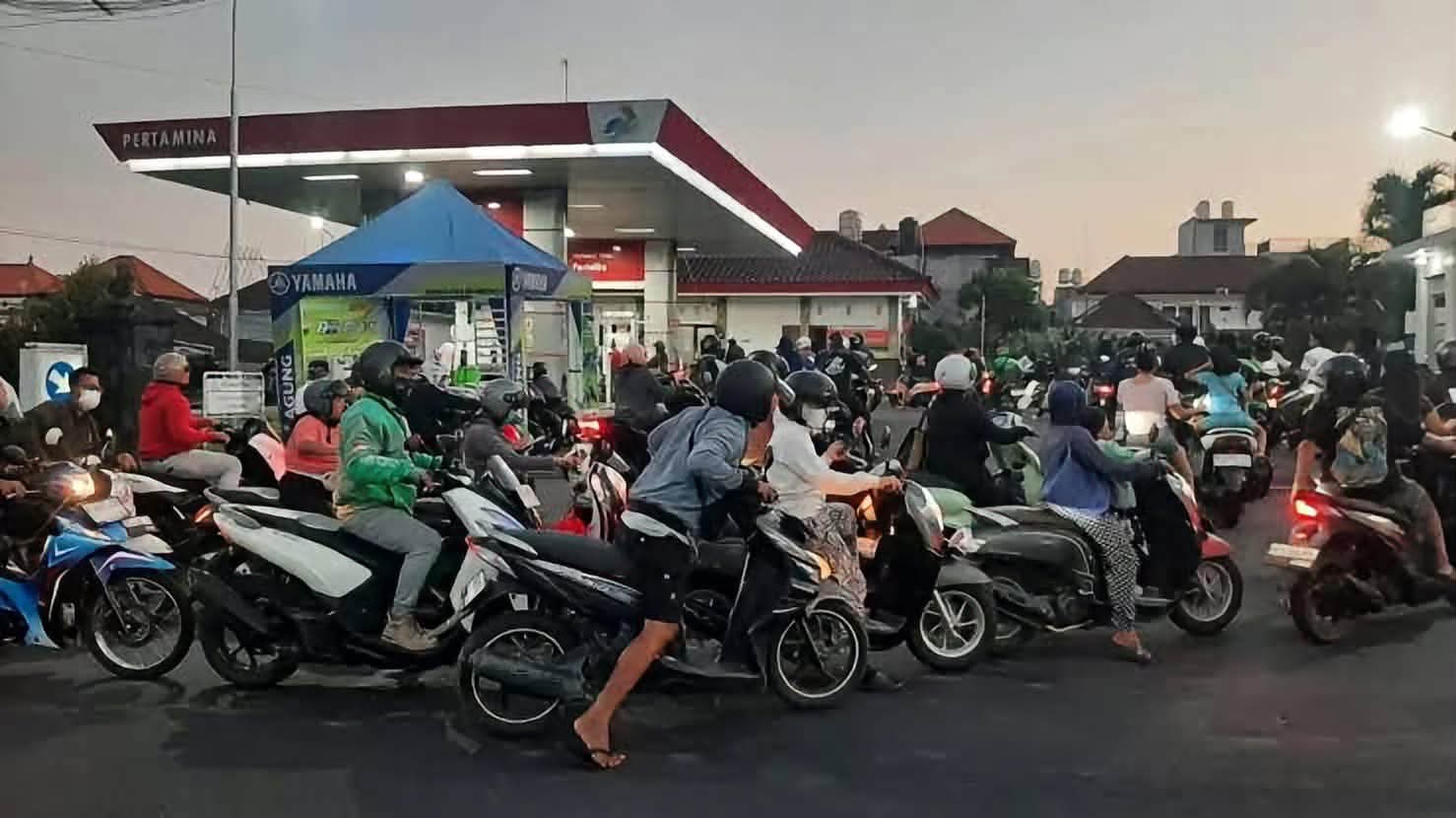
Fuel shortages in Bali, Indonesia, have entered their fourth day, with motorists reportedly facing hours-long queues at petrol stations as supply disruptions spread to at least 11 provinces amid concerns over the impact of the Iran war on global energy supplies.
Petrol stations in Bali have reportedly run out of fuel, forcing attendants to display notices informing customers that supplies are unavailable. The shortages have disrupted access to petrol and diesel, raising concerns about transportation and fuel distribution across the country.
In West Sumatra, motorists reportedly waited between two and three hours to purchase fuel, while diesel queues stretched for approximately one kilometre along the Merak-Tangerang highway in Banten.
Shortages of diesel or Pertalite, a widely used subsidised petrol, have also been reported in Aceh, Riau, West Kalimantan, South Sulawesi, North Sulawesi and Yogyakarta.
Officials have attributed the immediate disruptions to delays in tanker operations, rough weather and panic buying.
State-owned energy company Pertamina reportedly blamed a technical problem that delayed the unloading of a fuel shipment by several hours. Bali’s governor also cited distribution truck delays and increased demand from residents, saying petrol stations were being depleted faster than they could be replenished.
Indonesia’s national fuel stocks are reportedly sufficient for between 16 and 18 days, although concerns remain about the country’s ability to maintain supplies if import disruptions continue.
The crisis has also exposed wider challenges in Indonesia’s fuel procurement system. According to the information provided, the country’s oil and gas director general said fuel tenders were attracting fewer participants, forcing the government to purchase directly from countries with surplus supplies, often at higher prices.
Indonesia has reportedly lost about 25 per cent of its fuel import sources since the Iran war began, increasing pressure on its ability to secure petroleum products.
Meanwhile, Bali is preparing to restrict subsidised fuel purchases by consumers in the highest-income decile as authorities consider measures to manage demand and preserve supplies for eligible users.
Pertalite, which is widely used by motorcyclists and motorists, has been among the products affected by the shortages. The scarcity of cheaper fuel could push more motorists towards alternative products, potentially increasing pressure on other fuel supplies.
The situation highlights Indonesia’s vulnerability to interruptions in maritime fuel deliveries and international energy markets. Delays involving a single shipment, combined with adverse weather and panic buying, can create significant pressure on local distribution networks.
The reported shortages also raise broader questions about Indonesia’s dependence on imported petroleum products and the resilience of its energy supply chain amid geopolitical tensions.
Share this content:
About The Author
