Environmental groups are marking Africa Day 2026 by renewing calls for an end to what they term “waste colonialism” the shipment of hazardous materials from wealthier nations to African countries that often lack the infrastructure to handle them safely.
GAIA and Break Free From Plastic (BFFP) Africa issued a joint statement on Sunday, citing Lagos, Accra, and Nairobi as among the cities most affected by illegal imports of toxic electronics, plastics, and textile waste from Europe and North America.
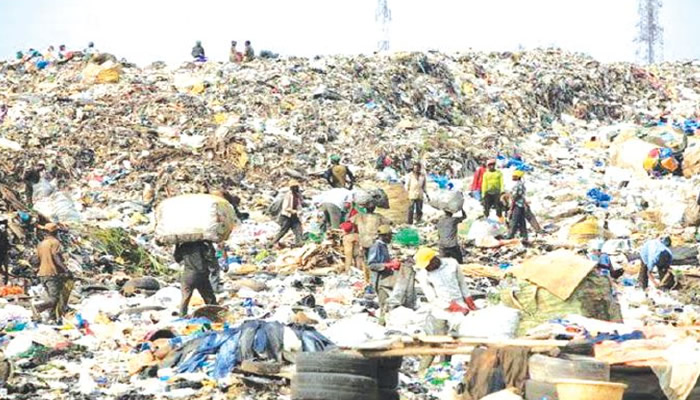
“We are deeply concerned about the situation in hotspots such as Accra, Nairobi, and Lagos. We see massive dumps filled with illegal imports-toxic electronics, hazardous plastics, second-hand clothing in the form of textile waste and even chemical waste.
The groups say the waste is frequently shipped under the guise of recycling but argue this claim masks a damaging reality, pointing out that just 9% of all plastic ever produced has actually been recycled.
“Africa is not a dumping ground,” the statement reads, as it calls on both African governments and Western manufacturers to act.
A treaty that exists but isn’t enforced
Central to the groups’ demands is the Bamako Convention, a regional agreement that goes further than the global Basel Convention in banning hazardous waste imports into Africa.
But 35 years after the convention was adopted, fewer than 56% of African Union member states have ratified it, and only three sessions of its governing body have ever been convened roughly one every 12 years.
Gilbert Kuepouo of research group CREPD called this “a paradox for a region that deliberately designed this instrument to protect itself.”
Brands and governments must act
Hellen Dena of Greenpeace Africa said fixing the problem requires stronger laws, including extended producer responsibility policies that make companies accountable for the full life cycle of their products.
The Environmental Investigation Agency also pushed for the EU’s recent plastic export restrictions to be meaningfully enforced rather than remaining symbolic.
Jim Puckett of the Basel Action Network struck a defiant tone: “Africa has led the way in saying no to waste trade. It’s time to lead in saying no to plastic.”
The groups say the human cost is already being felt particularly by children who work in toxic waste dumps, exposed to hazardous chemicals because wealthy nations continue to benefit from global inequality.
About The Author