


…Calls for independent assessment of route affecting Ondo, Delta coastal communities
Senior Advocate of Nigeria (SAN), Ebun-Olu Adegboruwa, has urged President Bola Ahmed Tinubu to order an independent review of the reported realignment of the Lagos-Calabar Coastal Highway away from coastal communities in Ondo and Delta states.
Adegboruwa, in an open appeal dated October 12, 2026, called on the President to ensure that the original coastal development objectives of the project are preserved during implementation.
He expressed concern that moving sections of the highway inland could deprive coastal communities of direct economic benefits expected from the multibillion-naira infrastructure project.
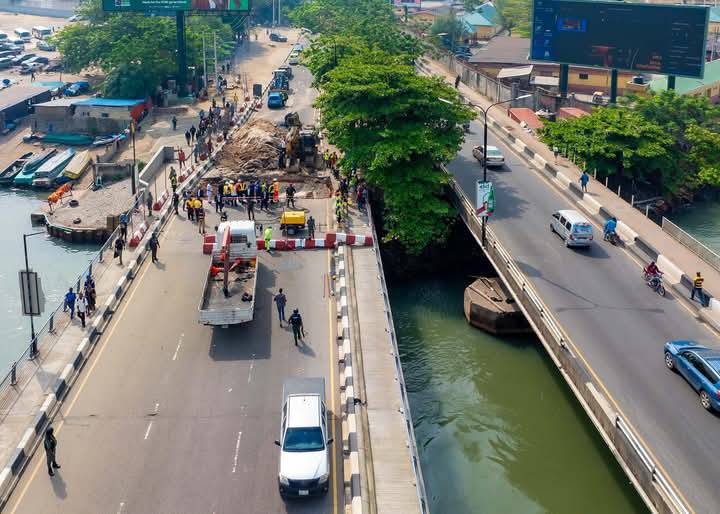
The Lagos-Calabar Coastal Highway was officially flagged off in May 2024 as a 700-kilometre corridor intended to connect communities and economic centres along Nigeria’s Atlantic coastline.
According to Adegboruwa, the project’s original vision raises questions about the implications of altering its alignment and the extent to which affected communities would benefit from the proposed changes.
He identified fishing, maritime activities, tourism, agriculture and transportation as sectors that could be affected if the highway bypasses important coastal settlements.
The legal practitioner specifically highlighted the concerns of Ilaje and other coastal communities in Ondo State, alongside coastal settlements in Delta State, noting that the issue extends beyond road construction to the economic prospects and livelihoods of residents.
He described the reported realignment as potentially undermining the project’s development objectives.
J
Adegboruwa acknowledged that the Federal Government had cited difficult terrain, weak subsoil conditions, construction costs and flood resilience as considerations in reviewing sections of the highway’s alignment.
However, he maintained that such engineering challenges should be addressed through a transparent assessment of available alternatives rather than decisions that could diminish coastal communities’ access to development opportunities.
He argued that the success of a coastal highway should be measured not only by the kilometres constructed but also by its capacity to connect communities, support maritime commerce, promote tourism and stimulate economic activities along the coastline.
According to him, any proposed changes should be backed by technical assessments demonstrating that the long-term social and economic interests of affected communities have been adequately considered.
SAN further warned that bypassing coastal settlements could limit their ability to attract private investment, develop transport-related businesses and benefit from improved access to markets.
He called on the Federal Government to commission a comparative assessment of the original coastal route and the proposed revised alignment.
He said the assessment should examine construction and maintenance costs, journey times, environmental implications, employment opportunities, commercial prospects and the distribution of benefits among affected states.
On environmental concerns, Adegboruwa stressed the need to consider coastal erosion, flooding, wetlands, mangrove ecosystems, fisheries, drainage systems and the effects of climate change.
He also called for the publication of relevant technical and environmental studies, alongside consultations with affected communities before major changes to the route are finalised.
He noted that inland construction does not automatically eliminate environmental risks, insisting that every proposed alignment should undergo appropriate environmental and social impact assessments.
In his appeal, Adegboruwa asked President Tinubu to direct the Federal Ministry of Works to publish a clear explanation of the approved alignment and identify the coastal communities that would be directly served or bypassed by the highway.
He also called for the restoration or retention of a viable coastal route through appropriate parts of Ondo and Delta states wherever technically, environmentally and economically feasible.
Other recommendations include convening consultations involving the Federal Government, the governments of Ondo and Delta states, traditional rulers, community representatives, engineers, environmental experts, investors and other relevant stakeholders.
He further urged the government to provide complementary access roads and supporting economic infrastructure for coastal communities that may not be directly served by the final alignment.
According to him, such measures would help prevent affected settlements from being isolated from the economic opportunities expected from the national investment.
Adegboruwa maintained that major national infrastructure projects should promote balanced development and ensure that communities within their intended corridors have fair access to economic opportunities.
He cautioned that excluding coastal settlements in Ondo and Delta states from the direct benefits of a project presented as a coastal development corridor could lead to an uneven distribution of infrastructure and investment benefits.
He, however, stressed that his appeal was not intended to disregard legitimate engineering considerations or create rivalry among states, but to ensure that decisions were guided by evidence, transparency and the broader national interest.
In conclusion, Adegboruwa urged Tinubu to intervene before irreversible decisions are made, arguing that the highway’s long-term success should be measured by its contribution to national integration, regional development, environmental sustainability and the welfare of communities along its corridor.
“A coastal highway should create opportunities for coastal communities, not leave them wondering whether the promise of development has passed them by,” he said.
Share this content:
About The Author
