


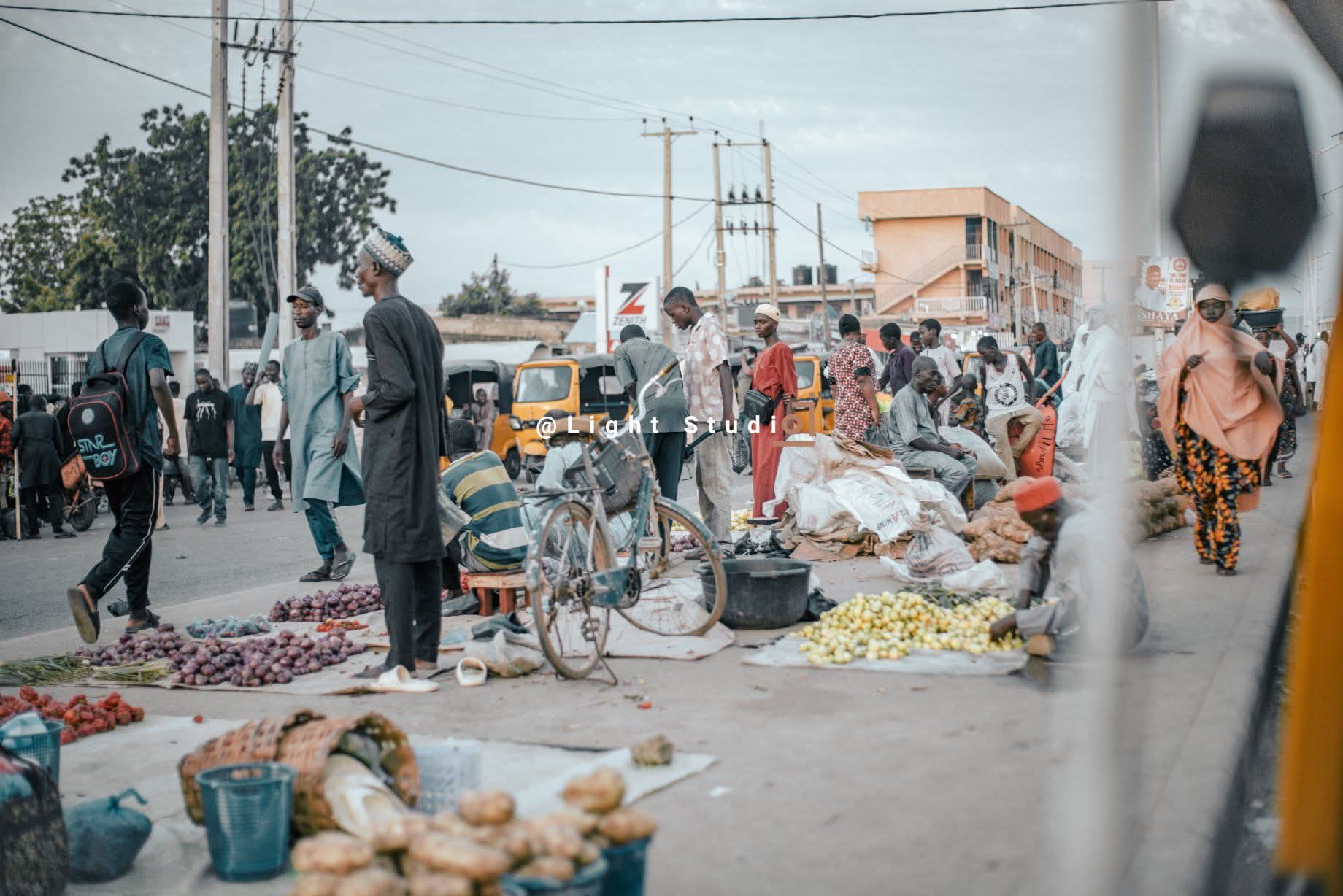
Nigeria recorded the world’s largest increase in the number of people living in multidimensional poverty, with an additional 17.9 million people falling into poverty between 2021 and 2024, according to the 2026 Global Multidimensional Poverty Index (MPI).
The report, released on Monday by the United Nations Development Programme (UNDP) and the Oxford Poverty and Human Development Initiative (OPHI), showed that Nigeria’s progress in reducing poverty reversed during the period.
According to the report, Nigeria’s multidimensional poverty rate rose from 33 per cent in 2021 to 38.7 per cent in 2024, while the estimated number of affected people increased from 72.2 million to approximately 90.1 million.
The increase was the highest recorded globally among countries experiencing rising multidimensional poverty over their latest measurement periods. Afghanistan followed, with an additional 5.3 million people falling into poverty, according to the report.
The findings were reported by Nigerian media outlets, including The Punch, TheCable and the International Centre for Investigative Reporting (ICIR), following the publication of the UN-backed index on October 12, 2026.
The Global Multidimensional Poverty Index measures poverty beyond income, assessing overlapping disadvantages in health, education and living standards.
Its indicators include nutrition, child mortality, years of schooling, school attendance, access to clean drinking water, sanitation, electricity, adequate housing and household assets.
Under the index, people are classified as multidimensionally poor when they experience deprivation in at least one-third of the weighted indicators.
The 2026 report estimated that 1.2 billion people across 108 countries were living in acute multidimensional poverty, representing 18.9 per cent of the population covered by the assessment. It also found that more than half of those affected were children.
UNDP noted that the number of people experiencing multidimensional poverty had increased globally for the first time since the index was introduced in 2010.
The latest findings come against the backdrop of Nigeria’s 2022 National Multidimensional Poverty Index report, published by the National Bureau of Statistics in collaboration with UNDP, UNICEF, OPHI and other partners.
That earlier assessment estimated that 133 million Nigerians, representing 63 per cent of the population, were multidimensionally poor based on the national survey conducted between November 2021 and February 2022.
However, the 2022 national estimate and the 2026 global report’s historical trend figures use different methodologies and should not be treated as directly interchangeable.
The latest figures highlight the continuing challenge of addressing deprivation across Nigeria, particularly in access to education, healthcare, essential infrastructure and basic living conditions.
The UNDP and OPHI report also emphasised that poverty reduction remains achievable, citing 33 countries that had cut their multidimensional poverty index values by at least half in fewer than 15 years.
The findings renew attention on the need for policies that translate economic progress into improved living standards and better access to essential services for vulnerable households.
Share this content:
About The Author
