


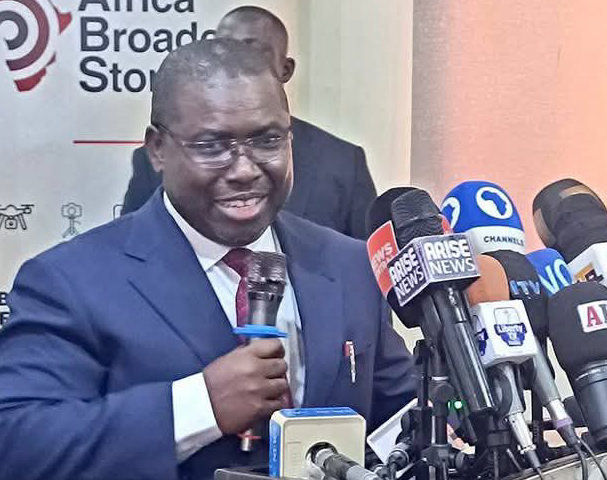
Nigeria’s electoral commission has warned broadcast media organisations that the credibility of the 2027 general election will hinge as much on responsible journalism as on logistics and technology.
Prof. Joash Amupitan, chairman of the Independent National Electoral Commission (INEC), made the warning on Tuesday while addressing the 81st General Assembly of the Broadcasting Organisations of Nigeria.
He said the most dangerous threat to credible elections was no longer physical violence or voter intimidation, but the rapid spread of unverified information through the country’s airwaves.
“The information space has become a critical battleground in modern elections,” he told delegates.
Prof. Amupitan urged strict compliance with the Electoral Act 2026, which he said legally obligates broadcasters to grant equal access to all 22 registered political parties a requirement he described as non-negotiable.
He also drew attention to provisions of the law banning abusive, inflammatory or divisive language, warning that irresponsible broadcasting could stoke ethnic and religious tensions and destabilise the electoral process.
The INEC chairman reminded broadcasters of the mandatory 24-hour campaign blackout before election day, saying the cooling-off period exists to protect voters from last-minute manipulation.
While affirming the constitutional right to free expression, he said that right must operate within the law particularly given that the airwaves are a public resource.
Prof. Amupitan raised concern over what he described as an incumbency advantage enjoyed by some parties through state-owned media, and warned that the commercialisation of political airtime risked shutting out smaller parties.
He called for tighter collaboration between INEC and the National Broadcasting Commission, clearer definitions of equal access in law, stronger fact-checking, and full disclosure of sponsorship in political advertising.
Broadcasters were urged to verify information before publication, avoid sensationalism, and help mobilise voter participation.
Prof. Amupitan said INEC’s official platforms remain the authoritative source of electoral information, and assured media organisations of continued access to designated commission spokespersons.
Share this content:
About The Author
